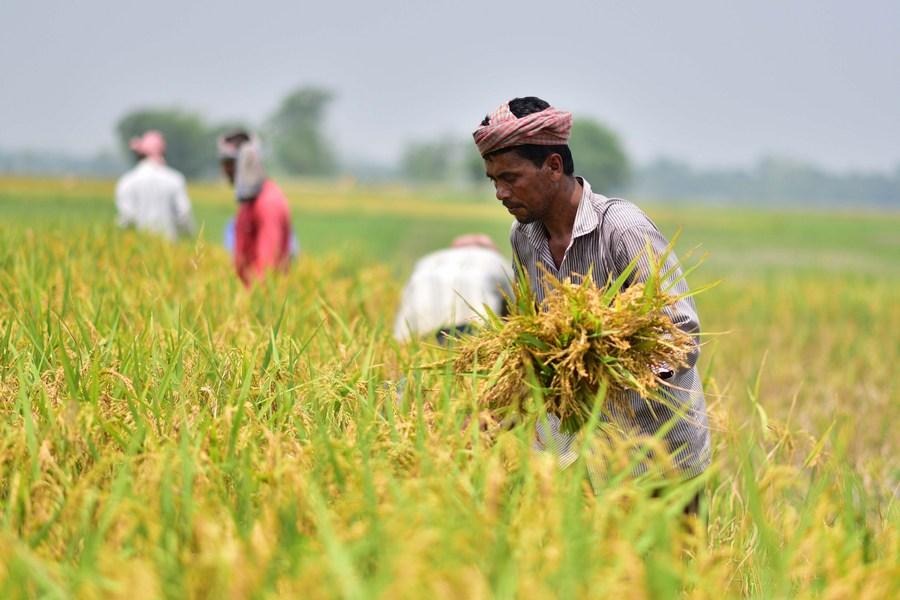
Rice is one of the world's oldest cultivated crops and has been the foundation of Indian cuisine for centuries. Every bowl of rice served at the dining table represents months of hard work, careful cultivation, scientific processing, and quality assurance. While many people simply see a bag of white rice on a supermarket shelf, the journey from the paddy field to the family dining table is both fascinating and complex.
Understanding how rice is grown, processed, and preserved also helps us appreciate why choosing a premium-quality Low Glycemic Index (Low GI < 51.5) rice, such as BNR Diabetic Rice, can make a meaningful difference in supporting a healthy lifestyle.
The Journey Begins in the Fields
Every grain of rice begins as a seed carefully sown by experienced farmers. Throughout its growing cycle, the crop requires fertile soil, adequate water, sunlight, and continuous care. Farmers closely monitor weather conditions, irrigation, soil health, and crop nutrition to ensure healthy plants and optimal grain development.
Once the rice reaches maturity, the golden paddy fields are harvested, either manually or using modern harvesting equipment. The harvested grains are still enclosed within a protective outer husk and are referred to as paddy rice.
Drying and Storage
Freshly harvested paddy contains a relatively high moisture content. Before it can be processed, it must be dried carefully to reduce moisture levels and prevent spoilage during storage.
Proper drying is one of the most important steps in maintaining grain quality. Excess moisture can encourage fungal growth and reduce shelf life, while over-drying can cause grains to crack during milling.
The dried paddy is then stored under controlled conditions until it is ready for processing.
The Milling Process
Rice undergoes several stages before it reaches your kitchen.
The first step is de-husking, where the tough outer husk is removed to produce brown rice. Brown rice still contains the bran layer and germ, both of which naturally contain dietary fibre, vitamins, minerals, and beneficial plant compounds.
If further polished, the bran layer is removed to produce the familiar white rice enjoyed by millions across India.
While polishing gives rice its bright white appearance, it also removes a significant portion of the naturally occurring dietary fibre and some micronutrients found in the bran layer. For this reason, white rice generally contains less fibre than brown rice.
However, the nutritional quality of white rice is influenced not only by polishing but also by the variety of rice, the starch composition, and the way it is processed.
Not All White Rice is the Same
Many people assume that all white rice behaves the same in the body. In reality, different rice varieties can have different Glycemic Index (GI) values.
Some white rice varieties digest quickly and may cause a rapid rise in blood sugar levels, while others digest more gradually because of their natural starch composition, particularly their higher amylose content. These varieties can have a lower Glycemic Index, making them a better option for people seeking more balanced blood glucose responses.
This is why choosing the right variety is just as important as choosing high-quality rice.
The BNR Diabetic Rice Difference
At BNR Diabetic Rice, every stage of the journey is carefully monitored to preserve quality from the farm to your family's dining table.
Our process begins with selecting suitable rice varieties grown under carefully supervised agricultural practices. The harvested grains undergo rigorous quality inspections, laboratory evaluations, moisture analysis, and grading before being milled using hygienic, modern processing techniques.
Every batch is checked for consistency, appearance, purity, and quality before being packaged to preserve freshness and nutritional integrity.
Our goal is not simply to produce premium rice—it is to deliver a product that aligns with healthier eating habits while maintaining the taste and texture that Indian families love.
Supporting Better Nutrition
Although white rice naturally contains less dietary fibre than brown rice due to the removal of the bran layer during polishing, selecting a Low GI < 51.5 white rice can still be a valuable part of a healthy diet. Its slower digestion may help moderate post-meal blood glucose responses when eaten as part of a balanced meal that includes vegetables, pulses, proteins, and healthy fats.
For many Indian families who enjoy rice every day, this offers a practical way to embrace healthier eating without giving up cherished culinary traditions.
From Our Fields to Your Family
Behind every pack of BNR Diabetic Rice lies the dedication of hardworking farmers, careful scientific evaluation, stringent quality control, and a shared commitment to improving the health of Indian families.
From the fertile paddy fields to advanced milling facilities and finally to your dining table, every grain reflects our promise of quality, purity, and care.
At BNR Diabetic Rice, we believe that healthy living begins with informed food choices. By combining generations of farming expertise with modern nutritional understanding, we are proud to offer a premium Low GI < 51.5 rice that supports healthier lifestyles while preserving the authentic joy of eating rice every day.
Disclaimer: While Low GI < 51.5 rice may contribute to a slower rise in blood sugar compared with many higher-GI rice varieties, no single food can prevent, treat, or cure diabetes. BNR Diabetic Rice should be consumed as part of a balanced diet and healthy lifestyle, and individuals with diabetes should continue to follow the guidance of their healthcare professionals.